At Adina Designed Interiors we can cater for all your cabinetry needs. We pride ourselves on good honest advice, professionalism and quality work built to last.
Walk-in Pantry vs Butler Pantry: Storage Champion or Entertaining Hero?

If you've been dreaming about your ideal kitchen, chances are the pantry question has come up — and it's a bigger decision than most people realise. The debate around walk-in pantry vs butler pantry is one we get asked about constantly, and honestly, it's not a one-size-fits-all answer. Both options bring something genuinely different to the table (pun very much intended), and the right choice depends entirely on how you live, cook, and entertain. So let's break it down properly so you can make the best decision for you.
First, What's the Actual Difference?
It sounds like a basic question, but it's worth getting clear on before we dive into the pros and cons.
A walk-in pantry is essentially a dedicated storage room - a separate enclosed space off the kitchen where you store food, appliances, and all the bits and pieces that would otherwise clutter your benchtops. It's a closed-off zone that keeps everything hidden away behind a door.
A butler's pantry, on the other hand, is more of a working corridor or secondary kitchen space and typically positioned between the main kitchen and dining room. It usually has bench space, cabinetry, a sink, and sometimes a second dishwasher or wine fridge. It's less about pure storage and more about function. Think of it like a behind-the-scenes staging area for entertaining and food prep.
Both can be stunning. Both are practical. But they serve genuinely different purposes.
The Walk-in Pantry: It’s All About Organisation
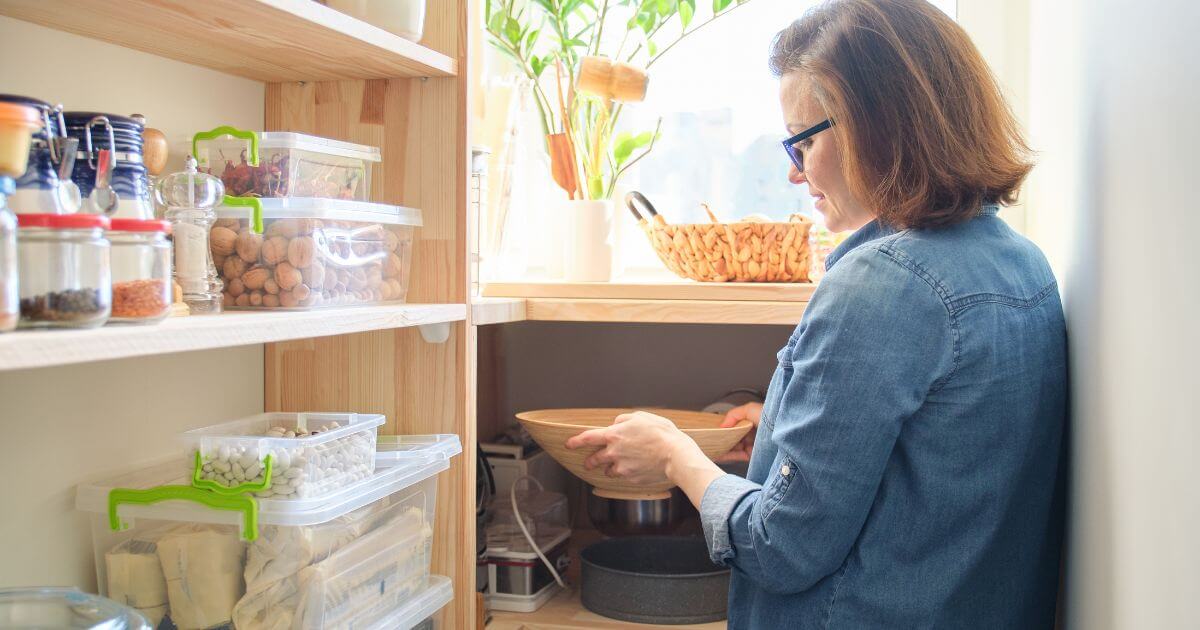
There's a reason walk-in pantries have become one of the most requested features in custom kitchen design. They're deeply satisfying. A dedicated space where everything has a home, and your main kitchen stays clean and uncluttered.
They work so well because they offer serious storage capacity. We're talking shelving for dry goods, space for bulky appliances like the Thermomix or air fryer, room for bulk purchases, and even dedicated zones for cleaning products or kids' snacks. When designed well, they can completely transform how a kitchen feels because when everything has a proper home, your main kitchen becomes a calmer and more enjoyable place to be in.
They also offer a level of visual cleanliness that's hard to achieve otherwise. Guests see your beautiful kitchen. They don't need to see the chaos behind the scenes.
The main limitation? Space. A proper walk-in pantry needs room, ideally at least 1.5 to 2 square metres to be genuinely useful. In a compact home or on a tighter block, that floor space might be better used elsewhere. It's also primarily a storage solution, not a functional work zone, so if you're looking for extra prep space or entertaining support, a walk-in alone might not tick every box.
The Butler's Pantry: The Secret Weapon for Entertaining
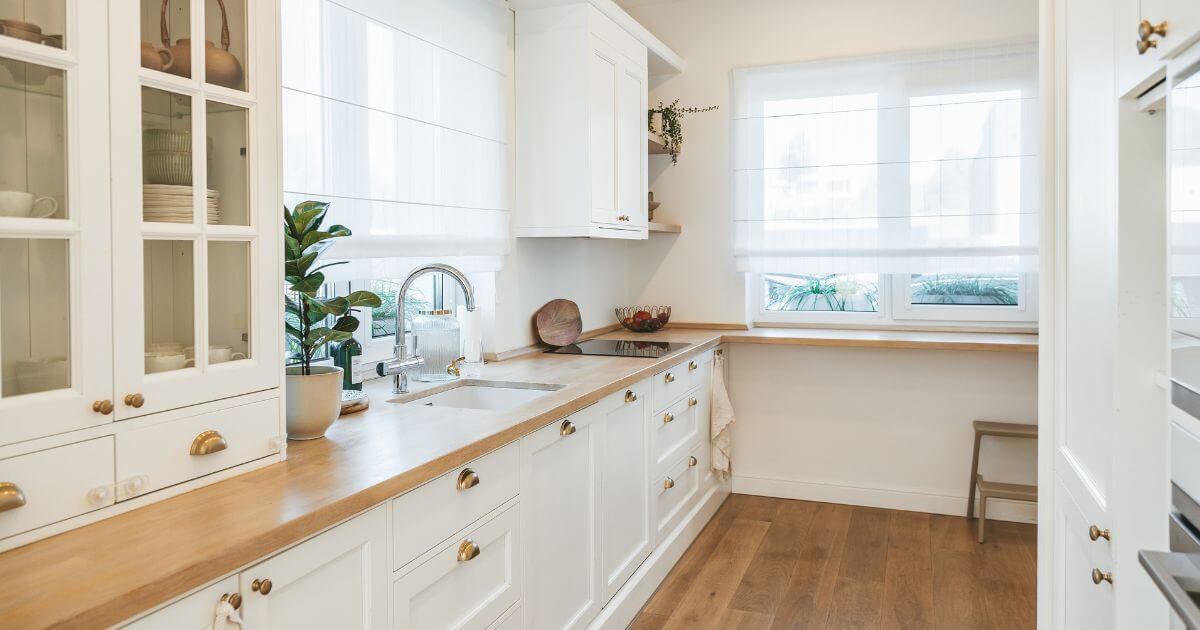
If you love to host - and we mean really host, not just throw some cheese on a board - a butler's pantry might be the most transformative addition you can make to your home.
The concept has been around for centuries (it's where the butler managed the household's silverware and beverages), but the modern version is all about creating a working buffer zone between kitchen and dining.
Think:
- A place to stack dirty dishes out of sight mid-dinner
- Prep canapés away from the chaos of cooking
- Set up a drinks station
- House the second sink so your main kitchen stays pristine while guests are around
A well-designed butler's pantry typically includes bench space (often with an undermount or prep sink), upper and lower cabinetry, a dishwasher drawer or second full-size dishwasher, and sometimes a wine fridge or bar fridge. Some clients also use theirs as a coffee station, a baking zone, or even a home for their slow cooker and instant pot so those appliances don't take up prime real estate on the main bench.
The trade-off? A butler's pantry takes up corridor-style space, and if it's not designed thoughtfully, it can feel like a narrow, dark afterthought. It also tends to cost more to build and fit out than a walk-in, simply because it involves more cabinetry, plumbing, and potentially electrical work.
Walk-in Pantry vs Butler Pantry: How to Choose the Right One for Your Home
Here's the honest answer: it comes down to your lifestyle and your floor plan. Ask yourself a few questions:
- Do you entertain frequently? If hosting is a big part of your life - dinner parties, holiday gatherings, regular family meals - a butler's pantry will earn its keep every single time. The ability to keep the kitchen looking composed while the real work happens out of sight is genuinely invaluable.
- Do you buy in bulk or have a large household? If your weekly shop could stock a small village, or you've got kids and need serious snack storage, a walk-in pantry gives you that dedicated space to keep everything organised without it spilling into the main kitchen.
- What does your floor plan allow? This is often the deciding factor. A butler's pantry works best as a connecting space that’s usually between the kitchen and dining, or along a side wall. A walk-in needs a dedicated room or large alcove. Talk to your designer about what your footprint can realistically support.
- Can you have both? Sometimes, yes. In larger homes, a butler's pantry and a separate walk-in (or well-designed walk-in within the butler's zone) can work together beautifully. Our custom built kitchens team has designed a number of kitchens that incorporate elements of both.
A Few Things Worth Knowing Before You Decide
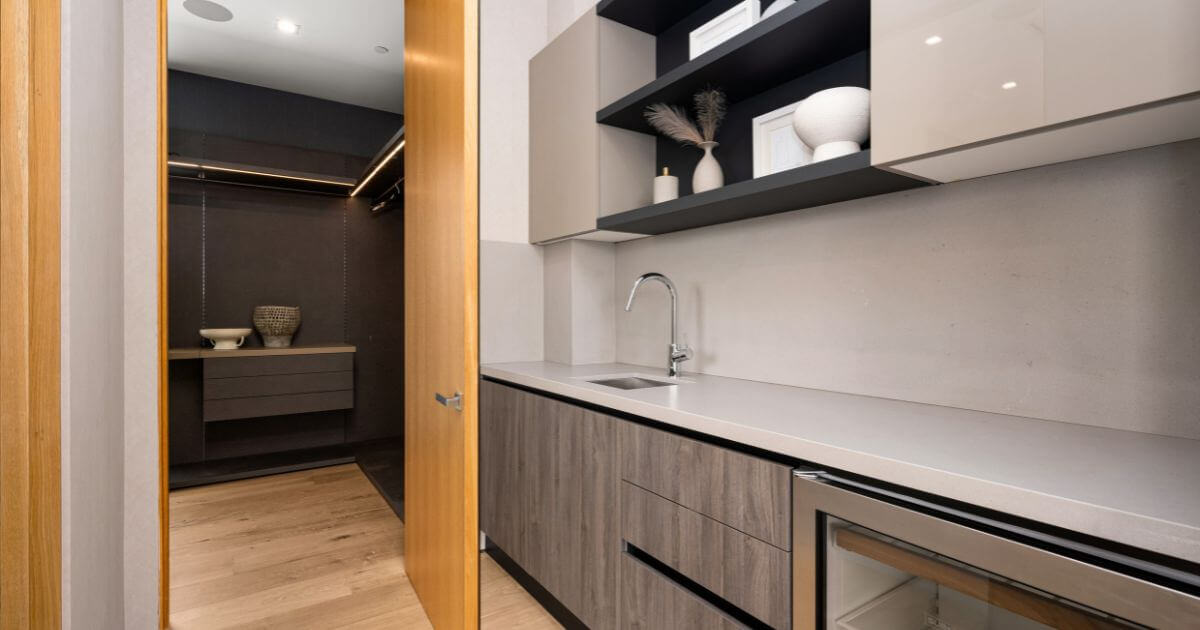
Lighting matters more than you'd think. Both walk-in pantries and butler's pantries need good lighting to be functional. A dark pantry, no matter how beautifully shelved, is frustrating to use. Think about LED strip lighting under shelves, pendant lighting over bench space, and sensor lights in enclosed pantry rooms.
Ventilation is important. If your pantry stores fresh produce or is near a sink, airflow matters. A musty pantry is not a happy pantry.
Don't underestimate the value of a good brief. Before you commit to either option, spend some time thinking about what you actually need to store, how often you host, and how you move through your kitchen. The more specific you can be with your designer, the better the outcome.
Custom is always better than generic. Off-the-shelf solutions rarely account for the quirks of your space or the specifics of your lifestyle. A custom-designed pantry - whether walk-in or butler's style - will work harder for you and last longer.
The Bottom Line
There's no universal winner in the walk-in pantry vs butler pantry debate, just the right choice for your home, your lifestyle, and your floor plan. A walk-in pantry is your storage champion: organised, hidden, and endlessly satisfying. A butler's pantry is your entertaining hero: functional, hardworking, and a genuine game-changer for anyone who loves to host.
If you're working through the decision for your own kitchen, we'd love to help. Our custom built kitchens Bundaberg team designs spaces that are as practical as they are beautiful and we know how to make the most of whatever footprint you're working with. Get in touch to start the conversation.
Adina Designed Interiors
Queensland Wide Service
Bundaberg
2/35 Enterprise St
Bundaberg Central, QLD 4670
Ready to have your design vision come to life?
Get our creative team of designers and craftsmen to help you create a memorable space.