At Adina Designed Interiors we can cater for all your cabinetry needs. We pride ourselves on good honest advice, professionalism and quality work built to last.
Handleless Kitchen Cabinets Pros & Cons

If you’re updating your kitchen and wondering about that clean, uninterrupted look of handleless cabinetry, let’s give you the scoop from an interior designer's perspective. Some love the clean lines and modern feel; others aren't so sure about reaching for a cabinet with nothing to grab onto. Before you commit either way, here's a thorough look at handleless kitchen cabinets' pros and cons, so you can make a decision that actually suits how you live and cook.
What Are Handleless Kitchen Cabinets?
Handleless kitchen cabinets are exactly what they sound like: cabinet doors and drawers with no visible handles, knobs, or pulls attached to them. The result is a smooth, flat surface across your entire kitchen cabinetry run, with no hardware interrupting the visual flow.
They're a popular choice in contemporary and minimalist kitchen design, but they've also found their way into transitional and even some classic-style kitchens, depending on the profile and finish chosen. It's one of the more common requests our cabinet makers Bundaberg team fields.
How Do They Work?
Without handles, you still need a way to open your cabinets. There are a few different systems that make this possible, and the one you choose will affect both the look and the functionality of your kitchen.
Types of Handleless Cabinets
Integrated Grip Rail (Rail System)
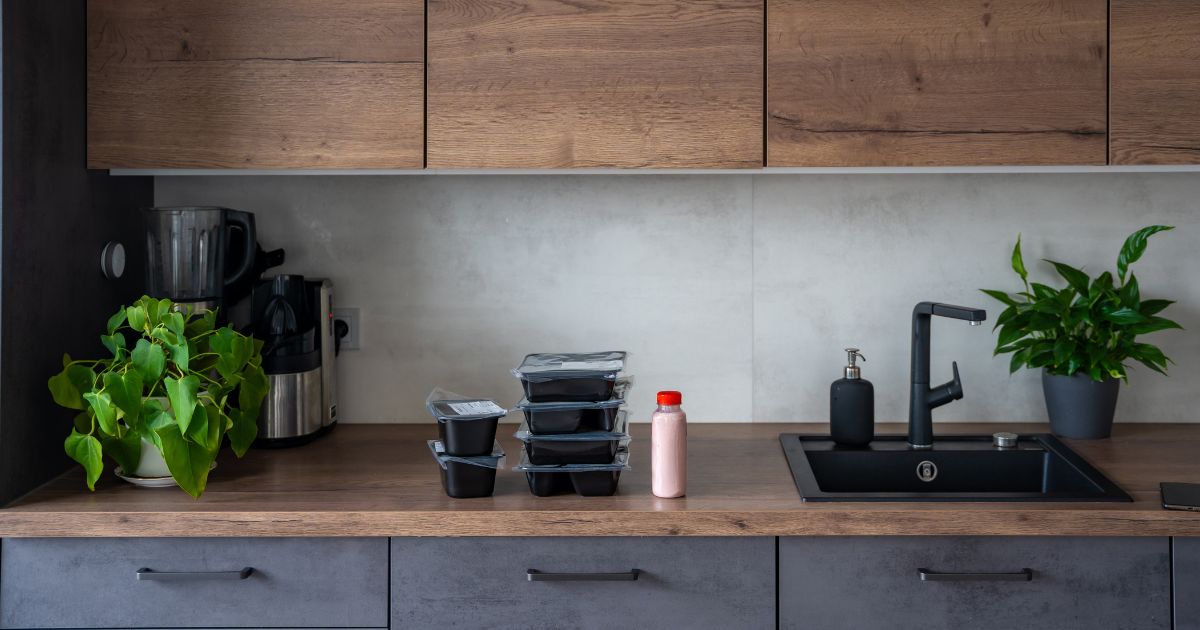
This is probably the most common handleless system. A recessed aluminium or steel rail is built into the top or bottom edge of each cabinet door or drawer front. You slip your fingers into this channel to pull the door open. It's subtle, hygienic, and gives a very consistent look across the whole kitchen.
Push-to-Open (Touch Latch)
These cabinets use a spring-loaded mechanism built into the hinge or a magnetic catch. You press the door gently, it clicks open, and releases on its own. There's no grip rail at all, so the surface is completely smooth. This system works brilliantly for upper cabinets and pantry doors but can feel a little awkward on heavy drawers.
Finger Pull (Recessed Handle)
A small groove or recess is routed into the edge or face of the door, giving you a place to grip without any hardware protruding from the surface. It's more subtle than a traditional handle and a good middle ground if you want the handleless look but prefer something tactile.
J-Pull Profile Door
The door itself is shaped with a curved or angled edge that creates a built-in grip. You grab the bottom or side edge of the door to open it. This is a popular option in Shaker-style kitchens that want a cleaner look without going fully flush.
The Handleless Kitchen Cabinets Pros & Cons
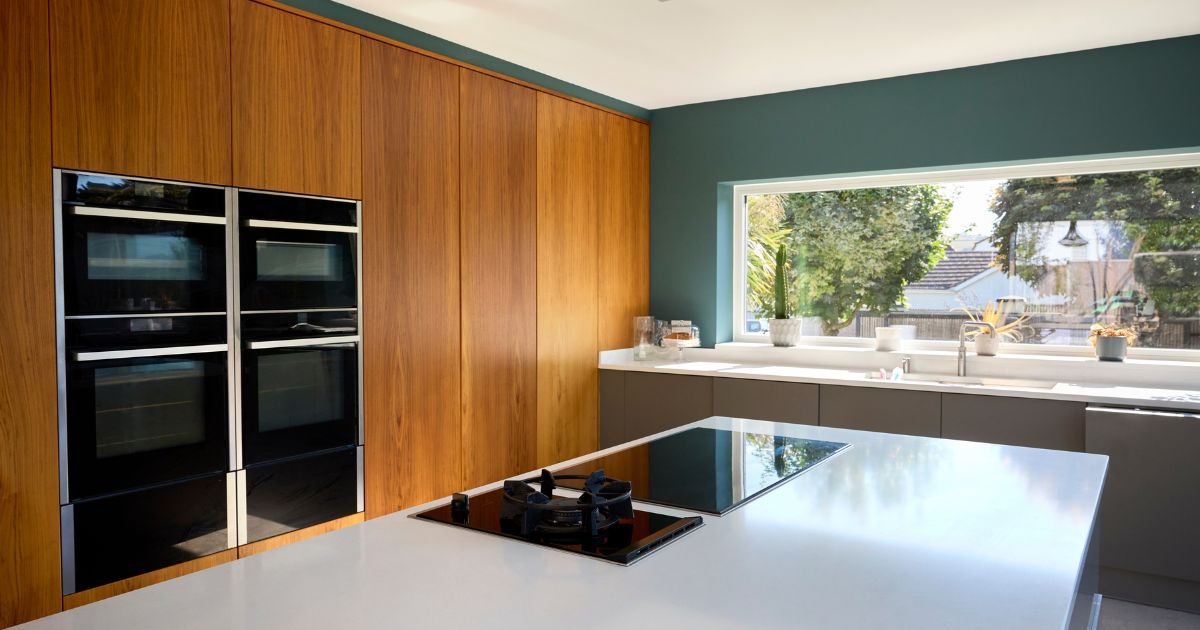
Let's get into the detail. There are a few things worth considering. Will you find a deal breaker? Or find they are right for you.
The Pros
A cleaner, more streamlined look. The biggest drawcard is aesthetic. Without handles breaking up the surface, your cabinetry becomes one continuous visual plane. It makes kitchens feel larger, calmer, and more cohesive. If you're working with a smaller kitchen, this uninterrupted look can make a real difference.
Easier to wipe down. No handles means no nooks and crannies for grease and grime to collect. The flat surfaces are genuinely easier to clean, which is a practical win in any kitchen.
No snagging. Anyone who's caught their sleeve, apron, or hip on a cabinet handle knows how irritating it gets. Handleless cabinetry eliminates that completely, and it also makes the space safer for young children who can bump into sharp-edged hardware.
Design flexibility. Handleless cabinetry works well in many design directions, from ultra-modern to soft and natural. Changing the door profile, finish or colour can completely shift the feel of the kitchen while keeping that same clean aesthetic.
Timeless when done right. A well-executed handleless kitchen doesn't date the way some trends do. The style leans into simplicity, which tends to have staying power.
The Cons
Fingerprints and smudges. This is the big one for some people. High-gloss or dark matte finishes on handleless cabinets show fingerprints quickly, especially around the grip rail or push-to-open zones where hands naturally rest. If you have a busy household, you may find yourself wiping down cabinets more often than you'd like.
Grip rails can collect grime. Push-to-open systems avoid this, but integrated grip rails have a channel where crumbs, moisture, and grease can build up over time. They're not difficult to clean, but they do need regular attention.
Not always accessible. For people with arthritis, reduced hand strength, or mobility challenges, push-to-open systems in particular can be frustrating. Pressing a door to release it requires a certain degree of dexterity and force. A traditional handle gives much more to grip and pull.
Push-to-open mechanisms can fail. Spring-loaded systems are generally reliable, but they can wear out or become misaligned over time, especially on frequently used cabinets. When one goes, the door either won't open properly or stays open on its own. Repairs are straightforward but can be inconvenient.
Cost. Handleless kitchens often carry a premium compared to standard cabinetry with basic hardware. The rail systems and push-to-open mechanisms add cost, and the joinery precision required for a clean result means more careful (and often more expensive) installation.
Limited to certain door profiles. If you love an ornate Shaker or a traditional raised-panel door, pure handleless systems don't always suit the style. Grip rails and recessed profiles work best with flat or simple door faces. You can adapt with J-pull profiles, but the options narrow.
Are Handleless Cupboards Trending or Here to Stay?
It's a fair question. Many design trends come and go quickly, and nobody wants to invest in a full kitchen renovation only to find the look feels dated in five years.
The good news is that handleless cabinetry has been part of kitchen design for well over two decades. It's not a flash-in-the-pan trend. While certain expressions of it, like ultra-high-gloss white with chrome rails, have waxed and waned, the underlying concept of clean, hardware-free surfaces continues to be refined and reinterpreted.
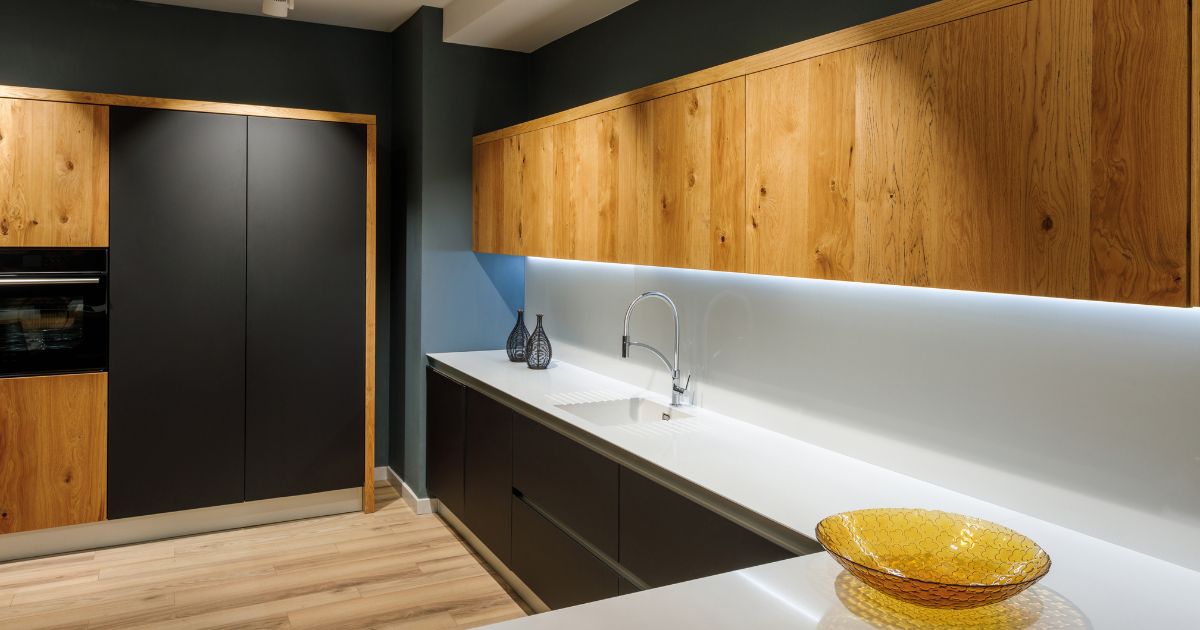
Currently, the most enduring versions lean towards matte finishes in warm neutrals, textured laminates, and timber veneers paired with integrated grip rails rather than touch-latch systems. These feel grounded and considered rather than purely fashionable.
So no, handleless kitchens aren't going out of style. They're evolving. The key is choosing a finish and profile that suits your broader design direction rather than chasing whatever's trending on social media this season.
Is a Handleless Kitchen Right for You?
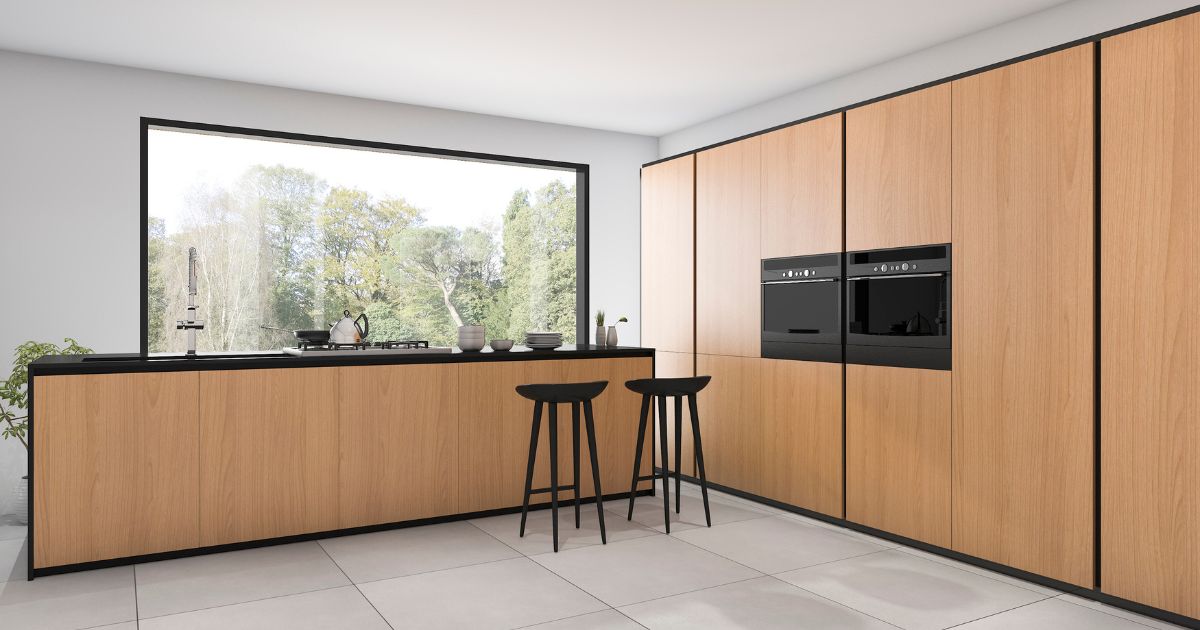
We’ve found that a handleless kitchen is a great fit for some households but not so much for others. Ask yourself a few questions before committing.
- Do you have young children or elderly family members at home? Push-to-open systems can be tricky for small kids to operate independently and challenging for people with limited grip strength. Grip rail systems are more user-friendly in these situations.
- How do you feel about maintenance? If the idea of wiping down cabinet fronts regularly doesn't bother you, great. If you want a kitchen that forgives a bit of neglect, a matte finish with a grip rail will be more forgiving than a high-gloss push-to-open system.
- What's your budget? Handleless kitchens generally cost more. If you're working within a tighter budget, well-chosen hardware on quality cabinetry can look just as intentional and far more practical.
- What's your style? If you lean towards a more classic or country aesthetic, there are adapted handleless options like J-pull profiles, but you may find that simple, quality hardware actually suits your kitchen better.
A Few Final Thoughts
Handleless kitchens are genuinely beautiful when they're done well. The look is considered, calm, and easy to live with aesthetically. But like any design decision, the details matter: the finish you choose, the opening mechanism you go with, and working out what will work best for your household.
When weighing up handleless kitchen cabinets' pros and cons in the context of your own renovation, it's worth spending some time in a kitchen showroom, opening and closing different systems to get a feel for them in real life. What looks seamless in a photo doesn't always feel seamless in practice, and the reverse is also true. If you're local, our cabinet makers in Bundaberg are always happy to walk you through the options in person.
Done well, with the right system for your lifestyle, a handleless kitchen can be one of the most satisfying design choices you make.
Adina Designed Interiors
Queensland Wide Service
Bundaberg
2/35 Enterprise St
Bundaberg Central, QLD 4670
Ready to have your design vision come to life?
Get our creative team of designers and craftsmen to help you create a memorable space.