At Adina Designed Interiors we can cater for all your cabinetry needs. We pride ourselves on good honest advice, professionalism and quality work built to last.
What Is Colour Drenching (And Why Designers Can't Stop Using It Right Now)

If you've been scrolling through interior design content lately and noticed a lot of rooms where absolutely everything is the same colour, you've already seen colour drenching in action. So, what is colour drenching exactly? It's the practice of coating an entire room in one single colour, walls, ceiling, skirting boards, joinery, and sometimes even the furniture, all in the same tone. No breaks, no contrast, no white ceiling to "brighten things up." Just one committed, immersive colour from top to bottom.
It sounds intense, and honestly, it can be. But done well, it's one of the most amazing and transformative things you can do to a space.
Where Did Colour Drenching Start?
The term was popularised by Farrow & Ball, but the concept itself isn't new. Designers know that wrapping a room in a single colour creates a sense of depth and atmosphere that you simply can't achieve with a standard two-tone paint job.
What's changed is the willingness to try it. For years, the default advice was to keep walls light, ceilings white, and trims neutral. Safe, predictable, and honestly, can be a little boring. Now, homeowners are more willing to take risks, and interior design has responded. Colour drenching has moved from high-end design studios and into everyday homes.
When you remove the visual interruptions caused by contrasting trims and ceilings, the room starts to feel larger and more intentional. The eye doesn't bounce around between competing elements. Instead, it settles, and the space feels cohesive in a way that's surprisingly hard to put into words until you're actually standing in it.
Why It Works (Even When It Sounds Like It Shouldn't)
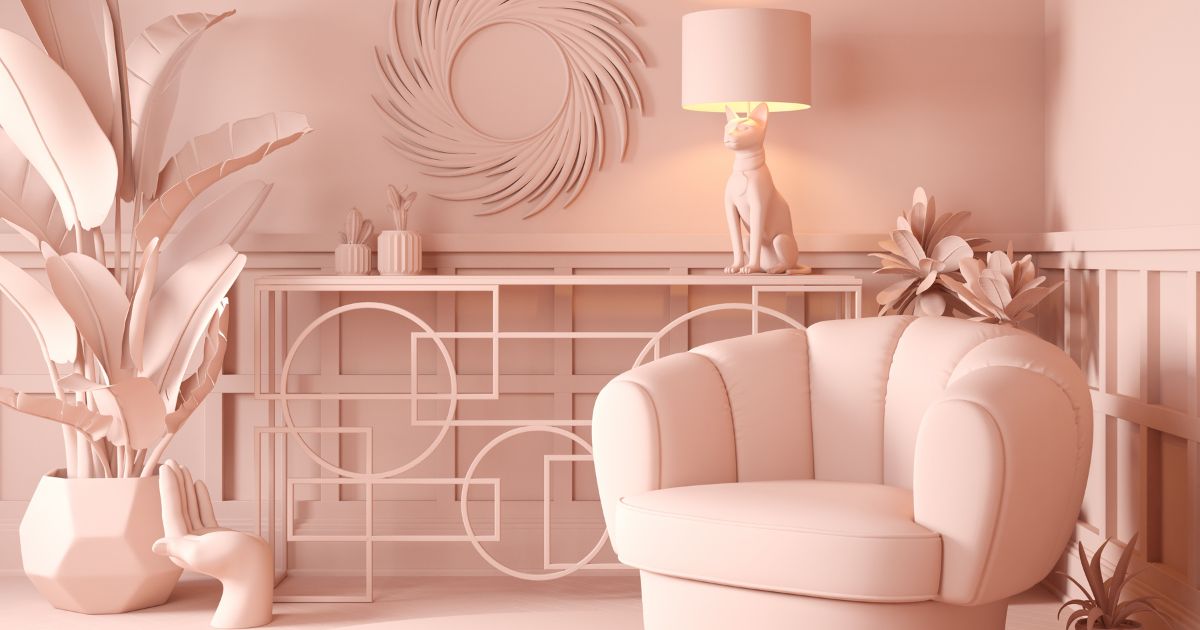
The counterintuitive thing about colour drenching is that painting everything the same colour often makes a room feel bigger, not smaller. When skirting boards, cornices and walls all disappear into the same shade, the boundaries of the room become less obvious. The architecture fades into the background, and the overall feeling is one of generous, enveloping space.
It also tends to make colour look better. A paint chip or sample pot can look completely different once it's on all four walls, the ceiling and the trim. Colour drenching gives the shade room to breathe and show its full character, including its undertones, which are often what make or break a colour choice.
There's also something to be said for the confidence of it. A fully drenched room makes a statement. It says someone made a deliberate decision here, and that kind of intentionality reads as sophisticated, even when the colour itself is quite simple.
Colours That Work Best for Drenching

Not every colour translates equally well to a full drench, but the range is broader than most people expect.
Deep, moody tones like forest green, navy, terracotta, and charcoal are the most commonly associated with colour drenching, and for good reason. They create a dramatic, cocoon-like atmosphere that works beautifully in studies, dining rooms, and bedrooms.
Mid-range naturals like warm stone, dusty sage, and clay are increasingly popular for living areas and kitchens. They bring warmth without feeling heavy, and they tend to age really well as design trends shift.
Soft, pale tones can absolutely be drenched too, and the effect is elegant rather than stark. An all-over pale blush or soft linen across walls, ceiling and trim creates a serene, almost spa-like quality that's hard to achieve any other way.
The key consideration isn't really the colour itself, it's the finish. Most designers recommend a flat or low-sheen finish on walls, with a slightly more durable sheen on skirting and joinery to handle everyday wear while keeping the overall look consistent.
How to Try It in Your Own Home
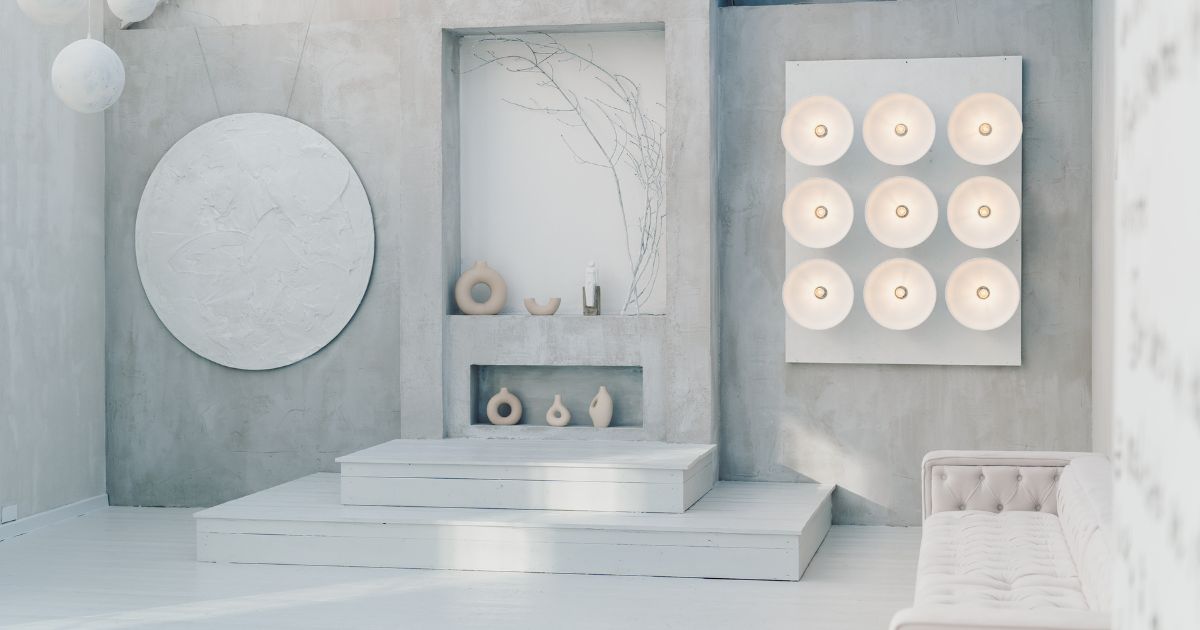
You don't need to commit to a whole house to experiment with colour drenching. A single room is plenty, and certain rooms lend themselves to it particularly well.
Hallways and entries are an ideal starting point. They're typically smaller, they don't need to work as hard functionally, and a drenched hallway creates an immediate impression the moment someone walks through your front door.
Bathrooms are another great option for a first drench. The contained size means you're not committing enormous quantities of paint, and the effect can be genuinely stunning, especially with warm terracottas or deep greens that complement natural stone and timber.
Home offices and studies work well drenched in deeper tones because the enclosing effect can actually feel focused and productive rather than oppressive.
If you're working with an interior design professional, they'll often suggest starting with a larger sample than you think you need, at least A3 size on the actual wall, and viewing it at different times of day before committing. The way natural light shifts throughout the day can change a colour dramatically, and that's especially true when it's appearing on every surface in the room.
The One Thing to Watch Out For
The biggest mistake people make with colour drenching isn't choosing a bold colour. It's forgetting about texture and material.
When everything is the same colour, what keeps the room interesting is variation in texture and material. Think linen cushions against a plastered wall, a timber floor against painted skirting, a matte ceramic lamp against a flat-painted ceiling. These contrasts in texture and sheen are what give a drenched room its richness and prevent it from feeling flat or monotonous.
The other consideration is lighting. A drenched room in a deep colour can absorb a lot of light, so it's worth thinking carefully about your light sources before you commit. Layered lighting, including ambient, task and accent, becomes more important than ever when you're working with a single, deep hue across every surface.
Is Colour Drenching Right for Your Space?
The honest answer is that it depends on the room, the colour, and how you live in the space. But the bigger question is whether you're willing to move past the assumption that everything needs to be broken up with white trims and a pale ceiling.
Colour drenching isn't a trend that's about to disappear. It taps into something that good interior design has always understood: that the way a room makes you feel matters as much as how it looks in a photograph. And a thoughtfully drenched room, in the right colour, in the right home, can feel like one of the best decisions you've ever made.
Adina Designed Interiors
Queensland Wide Service
Bundaberg
2/35 Enterprise St
Bundaberg Central, QLD 4670
Ready to have your design vision come to life?
Get our creative team of designers and craftsmen to help you create a memorable space.